



South Africa held the repo rate at 7.25% in a closely split vote. Economist Dawie Roodt sees room for another increase. The December fuel cycle shows why cheaper petrol can ease household costs while pressure on the rand persists.
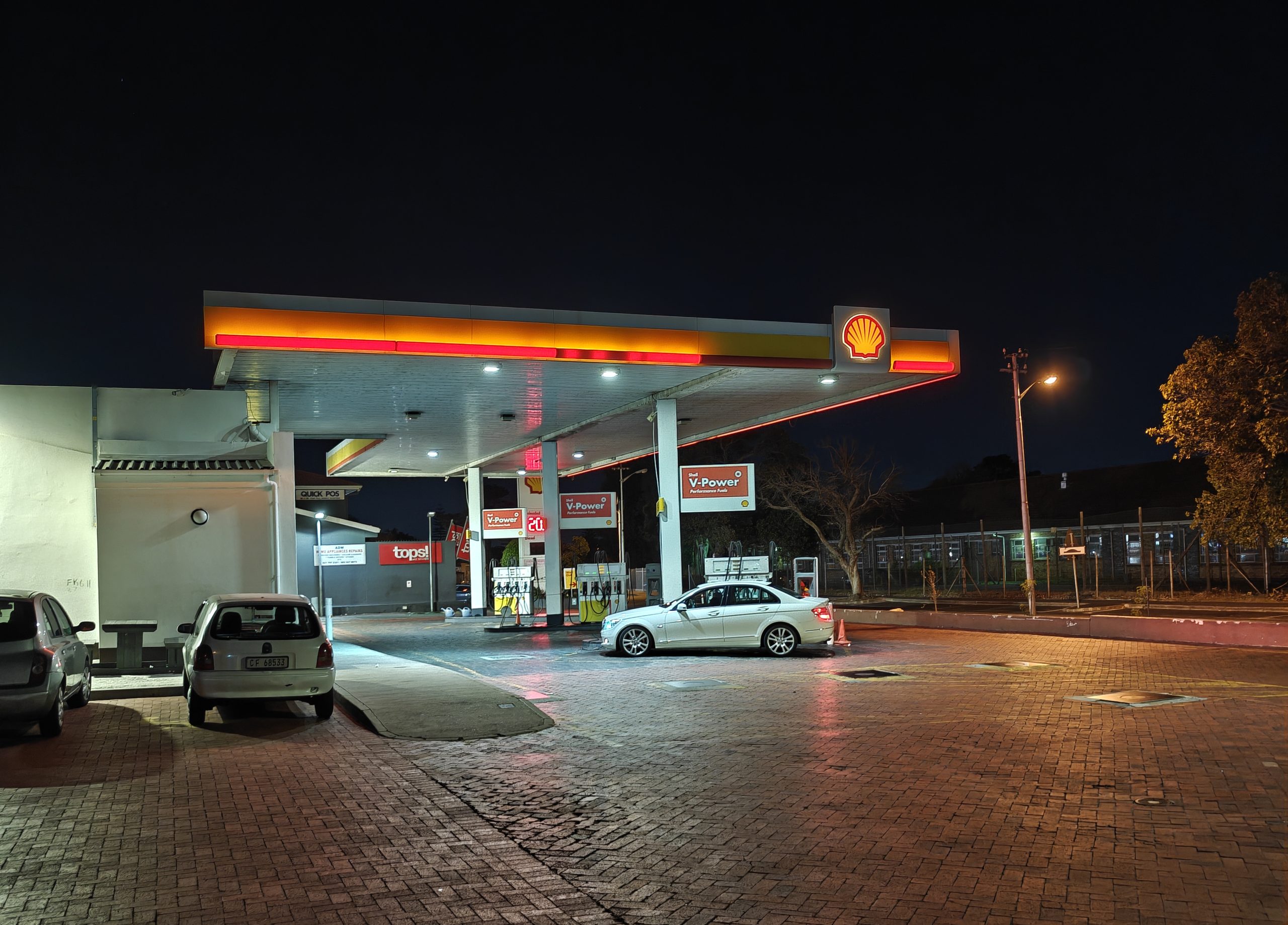
By 25 November, falling international petrol prices were pointing towards a cheaper December fill-up in South Africa. A weaker rand had already eaten into those savings, and the government was about to scale back its temporary fuel-levy relief. Just six days earlier, three of the Reserve Bank’s seven monetary policy committee members had voted to raise interest rates. A cheaper tank of petrol would ease one bill. The rate vote showed how closely divided the bank remained over inflation.
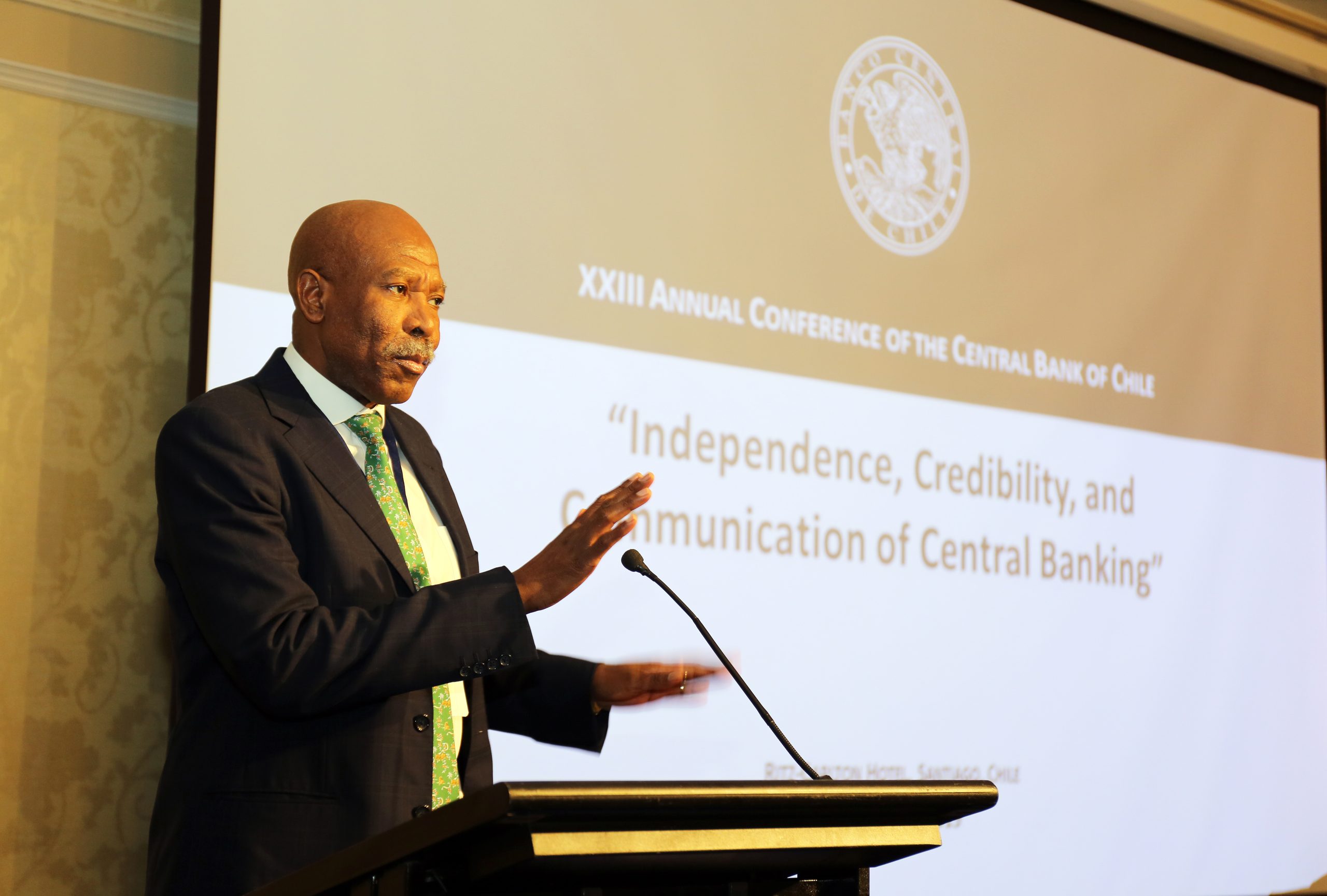
Speaking to Truth Report, Efficient Group chief economist Dawie Roodt said another small rate increase was possible if inflation stayed above 5% for longer or the rand came under renewed pressure. His broader argument was that South Africa needs to make its economy less vulnerable to shocks from abroad. This month’s fuel figures show how quickly those shocks reach households, and where domestic policy can make a difference.
What the rand takes off a petrol saving
South Africa’s regulated petrol price starts with international prices for refined products such as petrol, plus the costs of bringing the fuel into the country. Those dollar costs are converted into rand. Taxes, levies, margins and local transport costs make up the rest of the pump price.
In the Central Energy Fund’s calculations through 25 November, lower international product prices favoured a reduction of about R4.27 a litre in the basic fuel price for 95-octane petrol. Exchange-rate movements offset about 27 cents of that saving. The official fuel-price schedule still listed November prices as of 26 November.
Roodt saw both a stronger dollar and domestic politics at work in the rand’s recent weakness. He pointed to the rand losing ground against other currencies as well as the dollar. Those comparisons widen the picture, but they give no measure of how much coalition politics contributed. The Reserve Bank’s September quarterly bulletin offers an example of the same forces working in the rand’s favour earlier this year. It credited improving global risk sentiment and a stronger domestic fiscal position with helping the currency in the second quarter.
November shows what levy relief can do. The government cut the levy on petrol by R1.50 a litre, yet the regulated pump price fell by just one cent a litre for both grades because other costs rose. From 2 December through 5 January, the discount falls to R1 a litre for petrol and R1.50 for diesel. That puts 50 cents a litre back onto the petrol levy and R1.50 onto the diesel levy relative to November. Cheaper international fuel can outweigh those increases in the final price.
Roodt would keep the fuel levy and, if given the choice, raise it to make room for cuts to taxes he considers more damaging to growth, including company tax. Finance Minister Enoch Godongwana was addressing the immediate cost of fuel. He put the revenue forgone at R10 billion and said money previously transferred to the Central Energy Fund would be returned to cover it. The immediate benefit and the longer-term cost of raising revenue are both part of the decision.
Why the rate decision was so close
Annual consumer inflation rose to 5.2% in October, from 4.5% in September. Transport contributed 2.1 percentage points to October’s rate, and fuel prices were 42.9% higher than a year earlier. Core inflation was 4.2%, after excluding food, non-alcoholic drinks, fuel and energy. The Reserve Bank flagged its upward trend. Even as cheaper petrol could slow headline inflation, broader price pressures may take longer to ease.
Four committee members voted to hold at 7.25% on 19 November. Three wanted a quarter-point increase. The bank’s central forecast points to lower rates in 2027 as inflation eases. Its alternative scenario, in which oil reaches US$130 a barrel and refinery margins stay high, puts annual inflation at 5.4% in 2027 and implies roughly two rate increases. Roodt’s warning fits the risk the bank modelled. For households with variable-rate loans, that leaves the timing of any change in repayments uncertain.
Roodt would go further than the government’s 3% inflation target, with a tolerance band of one percentage point on either side, and aim for 2%. The current target already asks businesses and households to adjust to lower inflation. When the Treasury and the bank announced it in November 2025, they gave the transition two years and acknowledged that slower growth in the cash value of the economy and in tax revenue would make budget targets harder to meet in the short term.
What the AI sell-off can tell us
The interview began with US technology shares. Roodt said it was difficult to value artificial intelligence companies because the technology’s long-term contribution to growth was so uncertain. The Reserve Bank noted a recent fall in major technology valuations even as the AI boom supported growth in some countries. Nvidia reported quarterly revenue of US$115.8 billion, more than double its figure a year earlier. Those sales show how much customers were spending with one supplier. The broader gains depend on what businesses do with the technology and how widely they adopt it.
A study of customer-support agents found that workers using an AI assistant resolved 15% more issues per hour on average. At economy-wide scale, economist Daron Acemoglu estimated a productivity gain of at most 0.66% over a decade under his assumptions about which tasks AI could affect and how much it could save. Roodt expects a bigger payoff than cautious economists do and also expects disruption for workers. The two studies show how much depends on whether gains in specific jobs can be repeated across industries.
For South African households, the immediate numbers are closer to home. The December price adjustment will show how much of the global fuel saving reaches the pump. By its next rate decision on 28 January, the Reserve Bank will have more evidence on whether any relief at the pump is showing up in the wider inflation figures.