The Democratic Alliance led the vote in Johannesburg, Tshwane and Ekurhuleni. The race for the mayoralties now turns on council votes, while the incoming administrations face an immediate test of their ability to fund basic services.
On 4 November, voters made the Democratic Alliance (DA) the largest party in all three Gauteng metros. It fell short of an outright majority in each. That leaves the African National Congress (ANC), which lost its lead in these cities, with a route back to executive office through agreements with other parties. The numbers make that possible. The new councils still have to elect their mayors. Associated Press on the metro results · Municipal transition circular
What changed at the polls
The ANC remained the largest party nationally in the Electoral Commission’s declared municipal results, on 30.76%. The DA took 24.64%, followed by the uMkhonto weSizwe Party (MK) on 9.76%, the Economic Freedom Fighters (EFF) on 6.22% and ActionSA on 5.67%. Those national shares describe the scale of each party’s support across the country. Governing a metro depends on the distribution of seats in that particular council. Electoral Commission declaration
The ANC, MK and EFF together took 46.74% of the declared municipal vote, compared with 64.28% on the 2024 national ballot. That is a difference of about 17.5 percentage points. The comparison has limits. A national ballot and a municipal election aggregate measure different contests, with different candidates, turnout and reasons for voting. Adding three party shares also tells us little about the political beliefs of the people who moved between parties or stayed home. 2024 election results, Annex 1 · 2026 declaration
How a party can finish first and miss out on the mayoralty
Voters choose councillors. In a municipality with an executive mayor, those councillors elect the mayor from among their members. A party with the largest caucus can still be outvoted if several smaller caucuses agree to back another candidate. A party can also agree to support a mayor and a budget while leaving executive posts to its partners. Municipal transition circular · DA’s proposed support agreement
As reported on 22 November, ActionSA and the ANC had reached an agreement in principle that could put Herman Mashaba in the Johannesburg mayoralty and retain Nasiphi Moya in Tshwane. ActionSA national chair Michael Beaumont told the Sunday Times that a final deal had yet to be signed when he spoke and that the two parties needed the support of others. He identified the EFF, MK and smaller parties as potential partners. Another proposal under discussion would leave the Ekurhuleni mayoralty with the ANC. The DA’s offer, published on 21 November, backed Moya in Tshwane in exchange for ActionSA supporting DA mayoral candidates in Johannesburg and Ekurhuleni. These were rival routes to council support. The minister responsible for local government called for metro councils to convene by 27 November. Sunday Times reporting · Ekurhuleni proposal · DA offer · Minister’s statement on inaugural meetings
The national Government of National Unity grew out of a separate election and a separate agreement. A municipal pact can strain relations between parties that also work together nationally. The formal decision in each metro remains a vote in its council. Presidency on the GNU Statement of Intent · Municipal transition circular
The budget is the next test
Joburg, Tshwane and Ekurhuleni all adopted unfunded adjustments budgets in 2024/25, according to the Auditor-General. Tshwane had done so for four consecutive financial years. An incoming council that promises more maintenance or faster repairs has to show how it will pay for them. The same audit found substantial water and electricity losses across the eight metros, leaving less revenue available to maintain infrastructure and deliver services. Auditor-General’s metro financial management findings
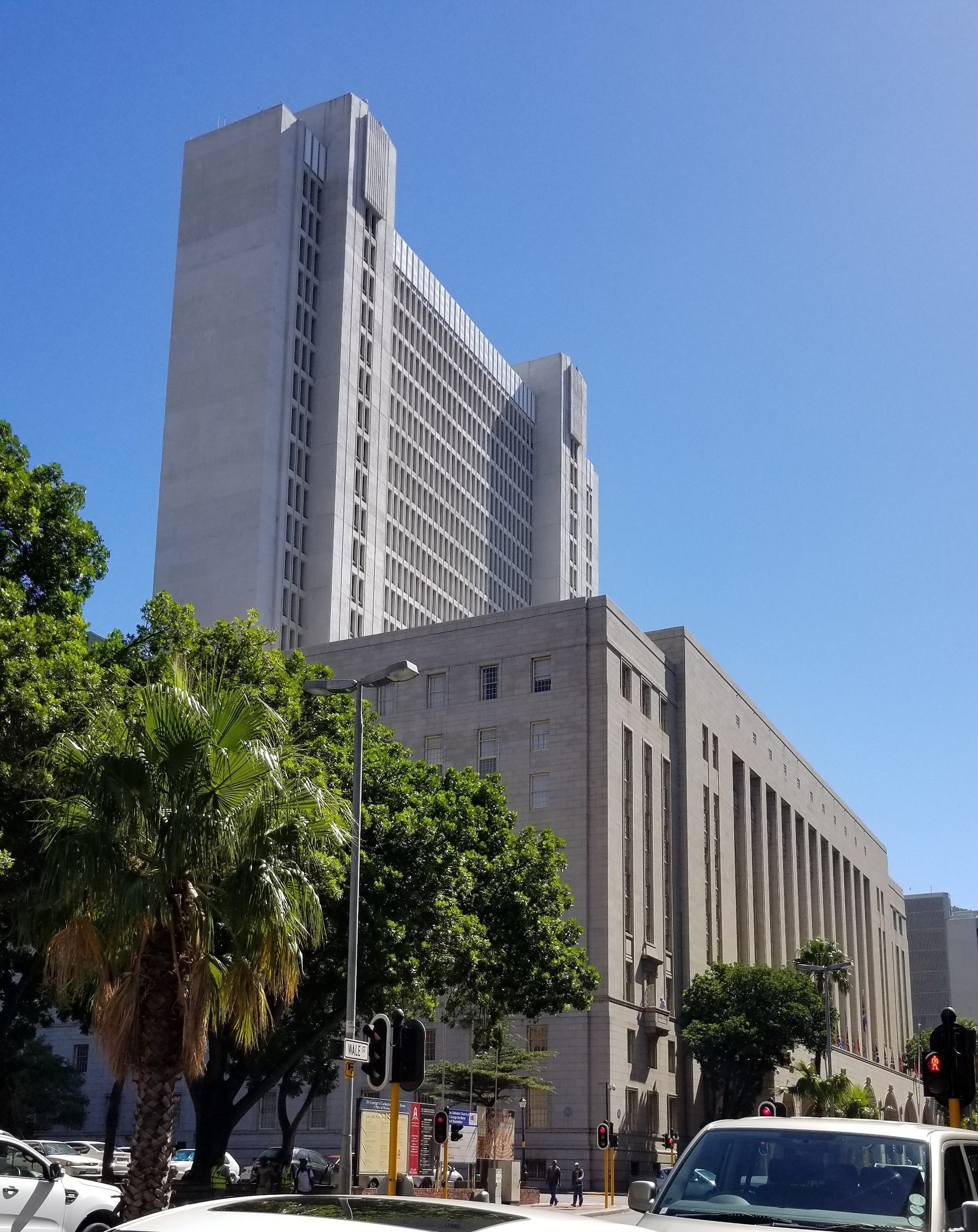
Hammanskraal shows what those constraints look like at a tap. Tshwane’s August 2026 council papers recorded that parts of Marokolong, Kekana Gardens and Ramotse were receiving potable water from the Klipdrift plant. Those areas still faced intermittent supply because the project was delivering too little volume, and other areas continued to rely on tankers. Reporting both facts gives residents a clearer account of progress than a verdict based on the mayor’s party. Tshwane council papers, p. 65
The election changed who can assemble a majority. The practical test for the parties that do so is whether they can agree on a funded budget, keep repairs on schedule and publish progress residents can check. In Hammanskraal, that means knowing which streets have reliable water, how often supply fails and when the remaining households can expect a connection they can use.