


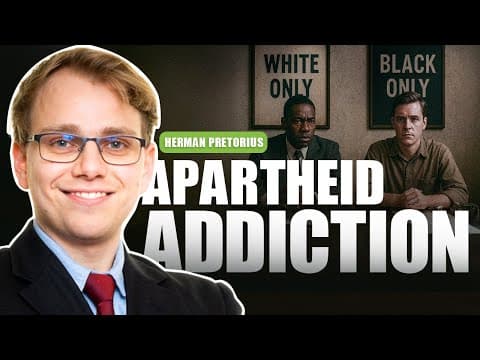
This video examines the continued influence of race in South African law, politics, and daily life, arguing that despite the formal end of apartheid, racial identity remains deeply embedded in public policy.

The discussion explores how a system once defined by segregation was dismantled, only for new frameworks to emerge that still rely heavily on racial categorisation, although applied in a different direction. By placing current debates within a broader historical context, the video aims to show how old patterns of thinking can persist even after major political transitions.
Drawing on real world examples and public commentary, the report analyses how race based policies shape access to jobs, education, economic opportunity, and social cohesion. It considers the tension between corrective measures designed to address past injustices and concerns that some policies may be creating new forms of exclusion. The video also reflects on the experiences and frustrations expressed by South Africans across various communities, highlighting the extent to which race remains a central lens through which political decisions are made. These insights raise difficult questions about whether current approaches are achieving their intended goals or perpetuating new divisions.
The investigation ultimately argues that South Africa’s struggle with race politics is less about ideology and more about the distribution of power and the impact of policy on ordinary people. Rather than framing the issue in terms of left versus right or black versus white, the video focuses on the lived realities of citizens navigating a system still shaped by racial classification.
Viewers are encouraged to engage critically with the material, consider the complexities of the debate, and reflect on what a more inclusive and future focused policy direction might look like.


