


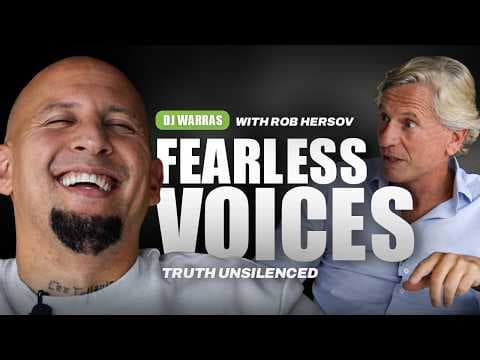
This interview cuts straight through the comforting slogans used to explain away urban collapse, starting with the visible decay of Johannesburg’s CBD.
What is often framed as mismanagement or lack of resources is exposed instead as a web of influence, incentives, and protected interests operating behind the scenes. From hijacked buildings and failing services to selective law enforcement, the conversation argues that cities don’t decline by accident, they decline when accountability is deliberately blurred and responsibility is endlessly deferred.
The discussion expands beyond bricks and mortar into the role of foreign-funded NGOs, immigration politics, and the quiet power they exert on policy and public narrative. These actors are rarely elected, seldom scrutinised, yet deeply influential in shaping outcomes. The interview confronts how criticism of these structures is often met not with debate, but with reputational attacks, legal pressure, or personal threats, a clear signal that certain topics are meant to remain off-limits. Free speech, the speakers argue, is tolerated only until it becomes inconvenient to those with entrenched power.
What makes this conversation stand out is its refusal to offer partisan comfort. There is no party loyalty, no ideological safety net, and no illusion that simple fixes exist. Instead, it lays out what real reform would require: confronting criminal economies, restoring the rule of law, and breaking the protection networks that profit from dysfunction.
This is a discussion for South Africans exhausted by managed decline, and for a global audience watching how dissent is punished when it challenges the interests that benefit most from a broken city.


