


A series of controversial expenditures and agreements between the South African National Defence Force (SANDF) and Cuba are drawing sharp criticism, raising questions about fiscal responsibility and the prioritisation of international alliances over domestic needs.
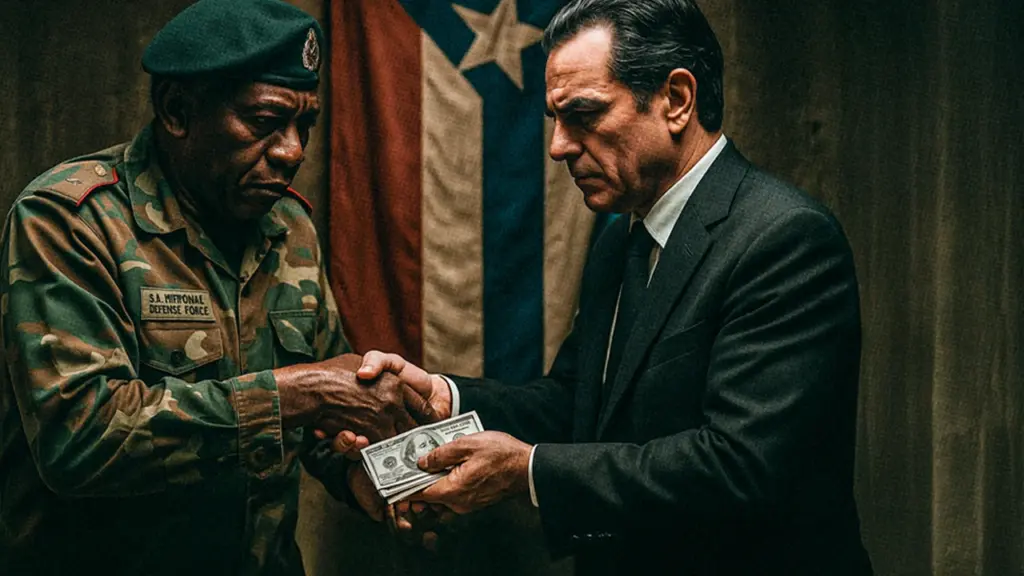
The latest controversy erupted following reports of a R34 million charter flight that transported over 200 SANDF personnel, including senior generals, to Havana, Cuba, in July 2025. According to information released by the Democratic Alliance (DA), the flight included luxury accommodations such as business class seating, gourmet catering, and plush amenities for high-ranking officers attending what was described as a graduation event.

“At a time when our defence force is demonstrably under-resourced and facing critical operational deficiencies, the expenditure of R34 million on a luxury junket to Cuba is not only tone-deaf but a flagrant abuse of taxpayer money,” said Kobus Marais, the DA’s former shadow minister.
Non-Operational Status
Marais highlighted the non-operational status of SANDF submarines and reports of soldiers relying on public donations as stark indicators of the force’s financial strain. Adding to the scrutiny is the ongoing, multi-billion rand agreement with Cuba for the
repair and maintenance of SANDF vehicles.
Initially under Project Thusano, which the military itself admitted cost R3 billion over a decade in a parliamentary briefing, the deal has been consistently flagged for irregular and wasteful expenditure.
Auditor-General reports have indicated that the costs associated with using Cuban technicians were significantly higher than using local South African companies, raising concerns about a lack of economic prudence and missed opportunities for job creation within South Africa. Despite the documented issues, the program has continued under a new iteration, Project Kgala, with an estimated cost of R537 million over five years.
2022 Public Protector Report
Further compounding the concerns is the fallout from a 2022 Public Protector report. The report investigated the Department of Defence’s procurement of approximately R217 million worth of the Cuban drug Interferon-Alpha-2B (Heberon) for COVID-19 treatment.
The Public Protector’s findings were damning, revealing that the DOD paid R35 million upfront for the unregistered drug, which was subsequently banned by the South African Department of Health. The procurement process was found to have violated numerous constitutional and financial regulations, including sections 195 and 217 of the Constitution, the Public Finance Management Act (PFMA), and Treasury Regulations.
The report concluded that the expenditure was irregular,
fruitless, and wasteful, with the R35 million ultimately not recovered after the unused drugs were returned to Cuba.
“The conduct of the Department of Defence in procuring the unregistered Heberon exposes a serious disregard for established procurement procedures, applicable legislation, and the health and safety of the South African public,” the Public Protector’s report said.
Perceived Hypocrisy
Critics point to a perceived hypocrisy within the government, noting that while ministers like Parks Tau, the Minister of Trade, Industry and Competition, advocate for greater localisation within key sectors like the automotive industry to stimulate job growth, the SANDF continues to outsource significant vehicle repair work to Cuba, effectively exporting potential employment opportunities.
These ongoing financial commitments to Cuba, particularly in the face of a struggling domestic defence force and a pressing need for job creation, are fuelling public debate and calls for greater transparency and accountability in government spending.
The confluence of the luxury flight, the costly and questionable vehicle repair deals, and the wasteful drug procurement has solidified concerns about the SANDF’s fiscal management and the broader implications of South Africa’s long-standing relationship with Cuba.


