


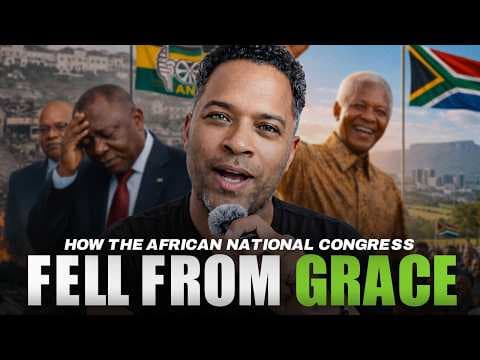
South Africa’s political landscape is undergoing a noticeable shift as support for the African National Congress continues to decline.

Once the dominant force in the country’s democracy, the party is now facing growing competition from emerging political challengers and established opposition groups. Analysts point to a combination of factors behind this drop, including internal divisions, leadership struggles, and increasing voter frustration with governance outcomes.
At the heart of the issue is the difficulty of transitioning from a liberation movement into a modern governing party. Critics argue that structures built for resistance have not fully adapted to the demands of running a complex, modern state like South Africa. This has contributed to policy inconsistency, weakened institutions, and a perception that the party is struggling to meet the expectations of a new generation of voters who prioritize service delivery, economic growth, and accountability.
However, this moment goes beyond the fortunes of any single political party. The decline in support signals a broader shift in how citizens engage with politics and what they expect from leadership. As new voices gain traction and political competition intensifies, the country may be entering a period of realignment that could reshape its future direction.
The key question now is whether this transition leads to renewal and reform or deeper instability in the years ahead.


