


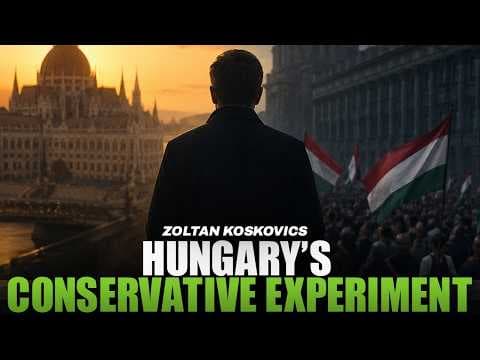
Hungary has made what many are calling a historic political shift, but beneath the headlines, the reality is far more complex.
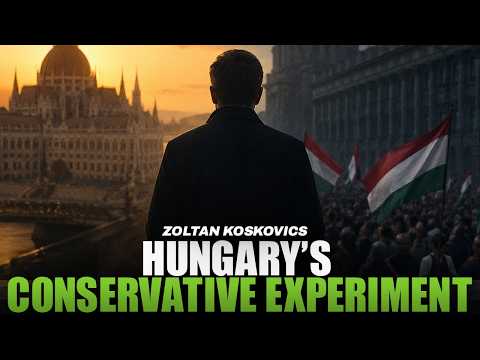
In this interview, the focus turns to what Viktor Orbán’s political setback or transition actually means for the country’s future. Rather than viewing it as a simple turning point, the discussion suggests that Hungary’s political system may be shaped by deeper structures that extend beyond any single leader. High voter turnout and shifting alliances point to a dynamic environment, but one where underlying power mechanisms remain firmly in place.
The conversation also explores ongoing debates around democracy, media influence, and free speech in Hungary. Critics argue that the system has concentrated power and limited dissent, while supporters claim it reflects a strong national mandate and a different model of governance. Issues such as migration policy, national sovereignty, and tensions with the European Union are presented as key factors shaping both domestic policy and Hungary’s global position. The discussion raises the question of whether these trade offs are a necessary part of maintaining stability or a sign of deeper democratic strain.
Ultimately, the interview challenges viewers to look beyond simplified narratives and consider Hungary’s trajectory in a broader global context. With references to shifting alliances, including relations with Russia and Western powers, the country’s direction carries implications beyond its borders. The central question remains unresolved: is Hungary offering an alternative political model, or serving as a warning about the risks of concentrated power?
The answer, as the conversation suggests, depends on how one defines democracy, stability, and national interest in an increasingly polarized world.


