


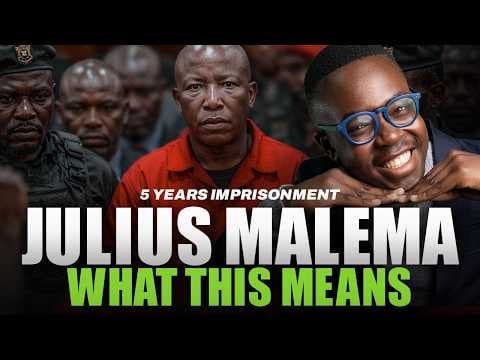
In a country where powerful figures are often perceived to escape consequences, a South African court ruling involving Julius Malema has sent shockwaves through the political landscape.

What many believed would never happen has now forced a national conversation about accountability and the strength of the justice system. This breakdown unpacks the full context behind the firearm case, the legal journey leading up to the sentencing, and why the outcome caught even skeptics off guard.
The ruling places the spotlight firmly on the judiciary and its ability to operate under pressure in high profile political cases. For some, it signals that institutions may still be capable of acting independently, even when powerful individuals are involved. For others, the real test lies ahead, particularly as the possibility of appeals and legal challenges could reshape the final outcome. The case also raises questions about consistency, fairness, and whether similar standards are applied across the board.
Beyond the courtroom, the political implications are significant, especially for the Economic Freedom Fighters. The fallout could influence public perception, party dynamics, and the broader balance of power in South Africa. Whether this moment represents a genuine turning point or a temporary disruption remains uncertain.
What is clear, however, is that it has reignited debate about justice, leadership, and the kind of accountability citizens expect moving forward.


