


Durban was once one of South Africa’s shining coastal gems, a city defined by warm beaches, a world-class port, and vibrant communities that blended industry, culture, and tourism into something uniquely proud.

Families built their lives around its promise, businesses flourished, and the city stood as a symbol of possibility. But that legacy has been shattered. Today Durban faces a slow, grinding collapse driven by corruption, mismanagement, and political negligence. Sewage flows into the oceans. Water systems leak away sixty percent of supply. More than 600 informal settlements expand without planning or support. And instead of urgently fixing the basics, leadership chose to spend R22 million on a statue, a monument to failure, not progress.
The rot is not new. Four years ago the Auditor General warned that eThekwini had racked up R700 million in irregular expenditure. Today that number has exploded to over R4 billion, money lost, stolen, or wasted with almost nothing to show for it. Infrastructure is failing across the board. The airport is deteriorating. Tourists no longer arrive. Investment is fleeing. Even the Metro Police openly admit they are overwhelmed as crime surges and leadership crumbles around them. For three decades communities were promised upliftment and service delivery. Instead they watched political elites enrich themselves while neighbourhoods decayed, jobs vanished, and the city unraveled. Many lifelong ANC supporters now admit the truth: the promises were lies, and their lives never improved.
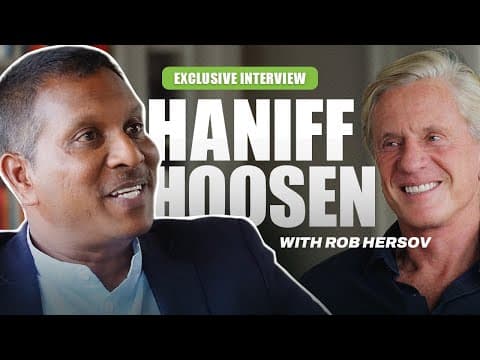
But this election is different. Durban stands at its final crossroads, one last chance to stop the decline before it becomes irreversible. The city needs competence, accountability, and leadership that prioritises service delivery over slogans and enrichment schemes. Without a decisive 51 percent to break the networks that dragged Durban to its knees, the destruction will continue for another generation. This conversation exposes how the city fell, who failed it, and what it will take to rebuild. Politicians do not want South Africans to hear this truth.
But if Durban is to survive, the truth must be heard, loudly, clearly, and urgently.


