


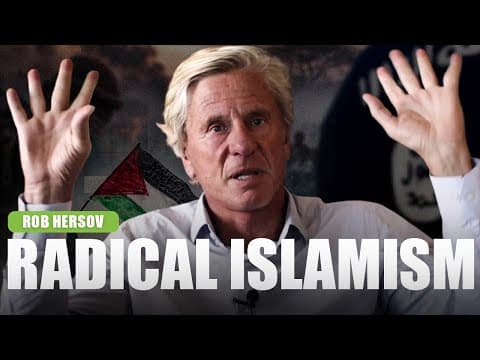
Rob Hersov tackles a subject many in the media avoid, the rise of extremist violence and terror networks across the African continent and how global and regional powers play into it.

Hersov argues that beyond the headlines and official narratives, there are deep geopolitical dynamics at work that fuel instability, empower radicalised groups, and threaten ordinary citizens. Drawing on historic patterns and current events, he seeks to peel back the layers of diplomatic rhetoric to reveal the underlying forces shaping conflict and terror in Africa — not as isolated incidents, but as part of strategic power plays and neglected realities.
Hersov connects the dots between political alliances, state collapse, and the spread of violence, suggesting that Western and non-Western influences converge in ways that often leave African states vulnerable. He highlights how internal divisions, failed governance, economic desperation, and external manipulation can create breeding grounds for terror movements. In his view, the continent’s crises are not simply local problems but products of global indifference, ideological competition, and strategic neglect — issues that have real human costs for communities caught in the crossfire.
Ultimately, this is an unfiltered exploration of how terror persists not because of a lack of information, but because powerful interests benefit from the confusion, distraction, and instability. Hersov challenges audiences to rethink simplistic explanations and look at how historical legacies, foreign policies, and local failures intersect to shape Africa’s hidden terror crisis.
Whether viewers agree with his conclusions or not, the discussion pushes the conversation beyond surface narratives and invites deeper reflection on a subject that affects not just Africa, but global security and governance.


