


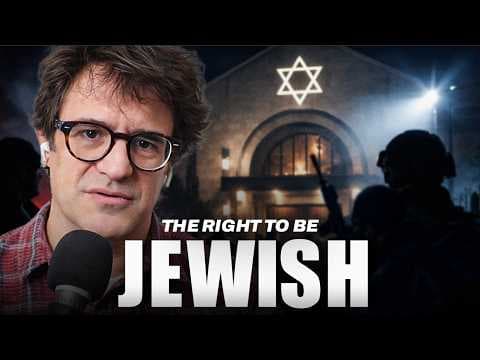
From the United States to South Africa, Jewish communities are navigating a more complex and tense environment marked by rising security concerns and growing political polarization. In the aftermath of October 7 attacks, public discourse has intensified, with debates around identity, conflict, and accountability increasingly spilling into everyday life.
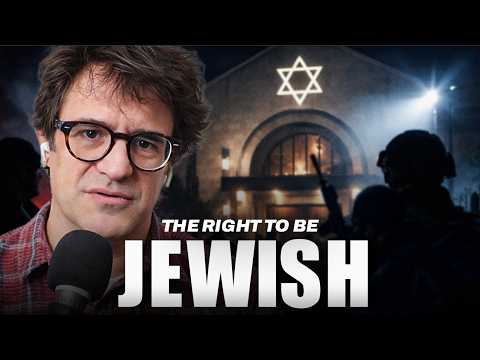
In the aftermath of October 7 attacks, public discourse has intensified, with debates around identity, conflict, and accountability increasingly spilling into everyday life. This conversation looks beyond headlines to examine how these global events are reshaping the lived experiences of Jewish communities across different societies.
A major focus is the surge in campus activism and the broader cultural debates unfolding within universities. Questions around free speech, protest, and the boundaries between political criticism and discrimination have become central, with institutions often caught between competing pressures. The discussion also explores the role of governments and public figures in either calming tensions or contributing to them, as well as the difficult question of where modern anti Semitism is emerging from and how it manifests across different parts of the political spectrum.
Ultimately, this is not only a conversation about one community but about the health of open societies more broadly. Issues of safety, expression, and social cohesion are deeply interconnected, and the way they are handled will have long term implications for democratic systems.
As divisions deepen and narratives clash, the challenge lies in balancing the protection of vulnerable communities with the preservation of open, constructive dialogue in an increasingly polarized world.


