


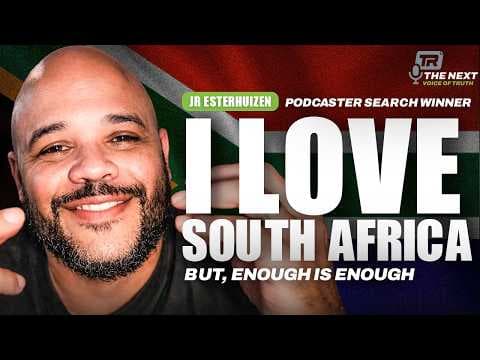
In this direct and unapologetic conversation, the focus is squarely on the defining political question of 2026: accountability in leadership.

As South Africa grapples with corruption scandals, failing service delivery, debates over expropriation without compensation, and growing taxpayer frustration, the issue is no longer abstract. It is about power, who holds it, how it is exercised, and whether those entrusted with public office are meaningfully answerable to the citizens who fund and legitimise their authority. The principle is simple: leadership is not ownership. It is stewardship.
The discussion challenges the culture of political loyalty that too often shields underperformance. When party allegiance overrides scrutiny, accountability weakens and dysfunction becomes normalised. Citizens may underestimate their own leverage in a constitutional democracy, yet voting, civic organisation, public pressure and independent media remain powerful tools. The danger lies not only in corruption or policy failure, but in the gradual acceptance of decline as inevitable. Once low standards are tolerated, they become embedded.
Crucially, the conversation argues that restoring accountability cannot be reduced to race, faction, or party identity. Sustainable reform requires unity across class and community lines, grounded in shared expectations of competence and integrity. Political failure, at its core, reflects a moral failure, the abandonment of duty to the public good.
If South Africans want a different future, the responsibility does not rest solely with politicians, but with citizens willing to demand consequences and uphold standards. For those seeking meaningful change, movements centred on accountability aim to channel that demand into organised civic action.


