


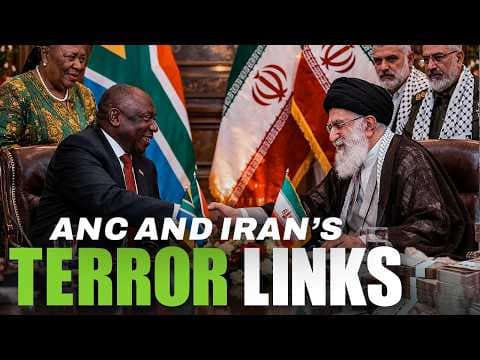
The debate around South Africa’s foreign policy is intensifying as new diplomatic visits, military cooperation discussions, and geopolitical alignments raise difficult questions about the country’s global direction.

Critics argue that some of the ANC’s international partnerships risk isolating South Africa from key economic allies while urgent domestic challenges such as unemployment, crime, and infrastructure collapse continue to demand attention. Supporters frame these relationships as strategic diplomacy within a multipolar world, while opponents warn they could damage the country’s reputation and long term economic prospects.
The conversation becomes even more complex when allegations involving proxy relationships and geopolitical alliances enter the discussion. Analysts are increasingly examining whether certain international partnerships align with South Africa’s stated constitutional values and democratic principles. At the same time, a controversial angle has emerged involving telecommunications connections and claims that South African corporate interests may intersect with Iranian state systems during periods of heavy internet censorship and protest crackdowns inside Iran.
These questions place South Africa at the center of a broader debate about sovereignty, values, and global alliances. Is this an example of pragmatic diplomacy in a rapidly changing world order, or does it represent a risky alignment with regimes facing international scrutiny. As tensions rise and global blocs shift, the decisions made today could shape South Africa’s economic relationships, diplomatic standing, and political credibility for years to come.
For citizens concerned about the country’s future and its role on the world stage, this is a conversation that cannot be ignored.


