


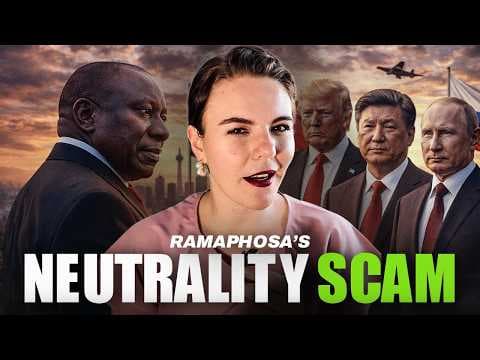
Is South Africa truly neutral on the global stage, or is it navigating a more complicated reality beneath the surface?

As geopolitical tensions rise, the country’s position is facing increasing scrutiny from both allies and critics. What is presented as non alignment is now being questioned, with observers pointing to inconsistencies between diplomatic statements, economic partnerships, and political actions. The result is a growing perception that South Africa may be walking a fine line between strategic independence and unclear positioning.
At the center of this debate are South Africa’s relationships within BRICS and its longstanding trade ties with Western economies. Balancing these competing interests is no simple task, especially in a world where global power blocs are becoming more defined. While some argue that maintaining flexibility allows South Africa to maximize opportunities, others warn that failing to take a clear stance could weaken trust and reduce influence in critical international decisions.
Ultimately, this is not just about foreign policy terminology but about credibility and long term strategy. In global politics, perception often carries as much weight as policy, and mixed signals can have real consequences for investment, diplomacy, and economic growth. If South Africa aims to maintain influence and attract global confidence, it must carefully consider how its actions are interpreted on the world stage.
This is a moment that goes beyond neutrality, touching on power, trust, and the country’s ability to navigate an increasingly complex and divided world.


