


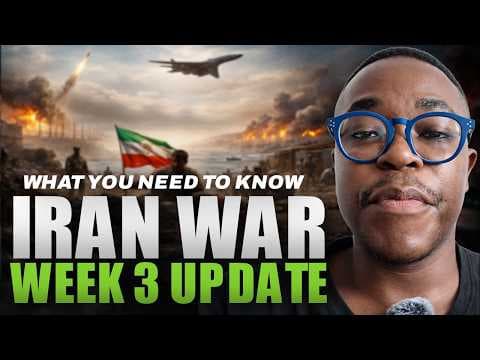
This is not just another war update but a turning point in a rapidly escalating conflict that is beginning to reshape the balance of power in the Middle East.

In the past 24 hours, reports of targeted assassinations, cross border missile strikes, and strategic military responses have signaled a shift from contained tensions to a broader and more unpredictable confrontation. As global powers reposition themselves, the situation is no longer isolated to one region but is becoming a defining geopolitical moment with far reaching consequences.
Beyond the battlefield, the ripple effects are already being felt worldwide. Developments involving the United States and regional actors have raised concerns about internal political divisions, military capacity, and the risk of further escalation. At the same time, disruptions to energy markets are sending shockwaves through global economies, with oil price volatility threatening to increase the cost of living in countries far removed from the conflict, including South Africa.
What makes this moment critical is not just the scale of the violence but the speed at which events are unfolding and the gaps in mainstream coverage. As missile capabilities are tested, alliances are strained, and economic pressures intensify, the conflict is no longer something distant or abstract. It is beginning to affect everyday life, from fuel prices to financial stability.
For those seeking clarity beyond headlines, understanding these interconnected dynamics is essential to grasp what may come next.


