


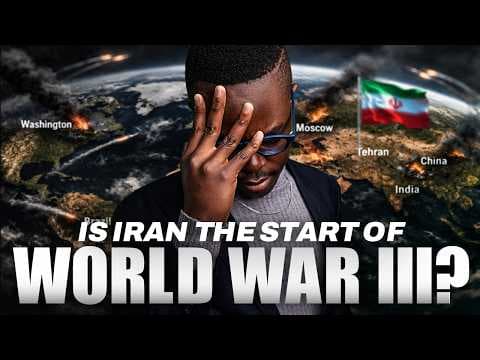
In just ten days, the global situation in the Middle East shifted from cautious diplomacy to open escalation.
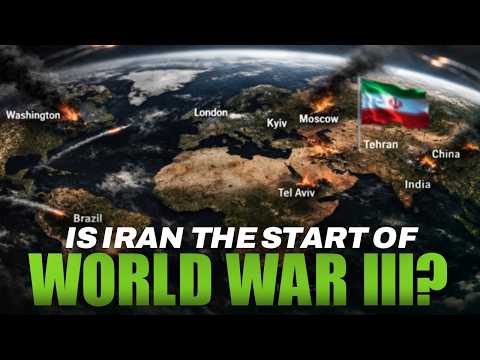
What began as discussions around potential de escalation quickly unraveled into a chain reaction of military strikes, targeted assassinations, and rising tensions that sent shockwaves through international politics. Between February 27 and March 10, events unfolded so rapidly that diplomats, analysts, and governments around the world struggled to keep up with the pace of developments.
The turning point came after a series of dramatic actions that pushed the region into a far more dangerous phase. Reports of the assassination of Iran’s Supreme Leader triggered immediate outrage and calls for retaliation, followed by waves of missile strikes and military responses across multiple fronts in the Middle East. As the situation intensified, global markets reacted sharply, particularly energy markets, with fears that wider conflict could disrupt key oil routes and destabilize an already fragile global economy.
What makes this moment particularly significant is not only the speed of escalation but the broader geopolitical consequences that may follow. The events of those ten days have reshaped diplomatic calculations, raised the risk of regional war, and forced major powers to reassess their strategies in the Middle East.
This breakdown cuts through the noise to examine the timeline of events, the motivations behind them, and the possible outcomes that could define the next chapter of this rapidly unfolding crisis.


